Description
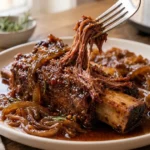
Meaty short ribs braised low and slow with balsamic glaze, garlic, rosemary, and onions until they’re glossy and fall-off-the-bone tender. Just 15 minutes of prep.
Ingredients
Scale
- 4 lb (1.8 kg) bone-in beef short ribs, English-cut (about 8 pieces)
- 1 1/2 tsp kosher salt (about 9 g)
- 1 tsp freshly ground black pepper
- 2 large yellow onions, thinly sliced (about 4 cups / 600 g)
- 1/3 cup (80 ml) balsamic glaze
- 6 cloves garlic, minced (about 2 tbsp)
- 4 sprigs fresh rosemary, plus 1 tsp chopped rosemary leaves
- 1 1/2 cups (360 ml) low-sodium beef broth
Instructions
- Season and arrange the ribs. Pat the short ribs dry with paper towels and season all sides with the kosher salt and black pepper. Spread the sliced onions evenly over the bottom of the slow cooker insert. Then lay the ribs on top, meat side up and bones down, packed snugly in a single layer. They should fit like puzzle pieces with the marbled tops exposed. A common mistake is piling the ribs on top of each other. Stacked ribs steam unevenly, and the ones underneath won’t get the glossy, glazed finish.
- Drizzle with balsamic glaze. Pour the balsamic glaze slowly over the ribs in a thin, steady stream, moving back and forth so every piece gets coated. You’ll see the dark glaze pool into the crevices and run down the sides, and it should smell sweet and tangy. Don’t toss or stir the ribs to spread it. Leaving the glaze on the tops lets it caramelize into a sticky crust while everything cooks, and stirring would just wash it off into the broth.
- Add the garlic and rosemary. Sprinkle the minced garlic evenly over the glazed ribs, letting it stick to the syrupy surface. Tuck the rosemary sprigs between and on top of the ribs, then scatter the chopped rosemary over everything. You should smell fresh garlic and piney rosemary right away. Avoid crushing the garlic into a paste or piling it in one spot. Clumps of raw garlic can taste harsh, while evenly scattered bits mellow into a sweet, savory flavor as the ribs cook.
- Pour in the broth. Slowly pour the beef broth around the edges of the cooker, not directly over the ribs. The liquid should settle about halfway up the sides of the meat, leaving the glazed tops above the surface. You’ll see it bubble gently between the bones as it soaks into the onions below. The biggest mistake here is adding too much liquid. Submerged ribs boil instead of braising, the glaze washes away, and the sauce ends up thin and bland.
- Cover and slow cook. Put the glass lid on securely and cook on LOW for 8 hours or on HIGH for 5 hours. LOW gives more tender results. After a couple of hours, you’ll see condensation on the lid, and the kitchen will start to smell of rosemary and braised beef. Don’t lift the lid to check. Each peek lets out a lot of heat and steam, which can add 20–30 minutes to the cooking time and dry out the exposed tops.
- Check for doneness. When the time is up, the ribs should be deep mahogany brown with a sticky, lacquered surface. The meat should have shrunk back from the bones, leaving the ends visible. The onions will be soft, amber-colored, and melted into a glossy sauce. Push a fork into the thickest rib: it should slide in with no resistance. If the meat still feels firm, cover the cooker and keep cooking for 30–60 more minutes. Undercooked short ribs are chewy, not tender.
- Transfer to plates. Use tongs to grab each rib by the bone end and lift it onto a plate or serving platter. Support it underneath if needed, because it’ll be very tender. Skim the clear layer of fat off the sauce with a ladle, then spoon the onions and sauce over the ribs. Don’t grab the ribs by the meat, or they’ll fall apart in the cooker before you can serve them.
- Shred and serve. Use a fork to pull the meat away from the bone. It should separate into long, juicy strands with almost no effort, and it should glisten with sauce. Toss the shredded meat in the sauce on the plate so every strand gets coated. Serve right away, while the sauce is warm and glossy. If you leave the meat to cool uncovered, the sauce sets and the meat dries out quickly.
Notes
- Pat the ribs dry. If the meat is wet, the glaze slides off and pools in the broth instead of sticking to the ribs.
- Buy a little extra. Bone-in short ribs lose about half their weight to bones and fat, so 4 lb (1.8 kg) is right for 4 servings.
- Trim large fat caps. Cut away any fat thicker than 1/4 inch (6 mm) before cooking so the sauce doesn’t turn greasy.
- Thicken the sauce if you like. Pour the strained liquid into a saucepan and simmer for 10 minutes. You can also whisk in 1 tbsp cornstarch mixed with 1 tbsp cold water.
- Make it ahead. Cook the ribs a day early and refrigerate them in the sauce. The fat hardens on top and is easy to lift off, and the flavor gets even better overnight.
- Use the oven instead. If you don’t have a slow cooker, use a covered Dutch oven at 300°F (150°C) for 3–3 1/2 hours.
- Keep the herbs fresh. Dried rosemary works in a pinch (use 1 tsp), but fresh sprigs give a brighter, cleaner flavor.
- Prep Time: 15 minutes
- Cook Time: 8 hours on LOW (or 5 hours on HIGH)
- Category: Dinner