Description
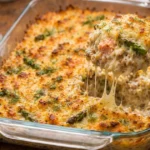
Nutty farro, tender salmon and bright asparagus baked in a creamy ricotta custard under a golden, stretchy mozzarella crust, all in one easy dish.
Ingredients
Scale
- 2 cups (380 g) uncooked pearled farro
- 8 cups (1.9 L) water
- 1 tablespoon (18 g) kosher salt, for the cooking water
- 1½ pounds (680 g) cooked salmon, skin removed and flaked into 1-inch pieces (from about 1¾ pounds/800 g raw)
- 1 pound (450 g) asparagus, trimmed, cut into 1½-inch pieces and blanched or roasted until crisp-tender
- 1 cup (250 g) whole-milk ricotta
- 1 tablespoon finely grated lemon zest (from 1 large lemon)
- ½ teaspoon freshly ground black pepper, plus more for the salmon
- 2 large eggs
- 1 cup (240 ml) whole milk
- 1 teaspoon (6 g) fine sea salt
- 1 garlic clove, finely grated (optional)
- 2 cups (200 g) shredded low-moisture mozzarella
- 2 tablespoons chopped fresh dill
Instructions
- Cook the farro and transfer it to the dish. Heat the oven to 375°F (190°C). Bring the water and kosher salt to a boil, add the farro and simmer for 20 to 30 minutes. It’s done when the grains are tender but still chewy in the center, and a few have split open slightly. Drain it very well, let it steam for 2 minutes, then spoon it into the baking dish. The farro should smell toasty and nutty. A common mistake is overcooking it: mushy farro turns pasty in the oven. If anything, pull it a minute early, because it softens more as it bakes.
- Add the salmon, asparagus, ricotta and custard. Spread the farro into an even layer. Scatter the flaked salmon on one side and the asparagus on the other, then grind a little black pepper over the fish. Spoon the ricotta into the center and sprinkle the lemon zest on top. Whisk the eggs, milk, salt, pepper and garlic until smooth and pale yellow, then pour this custard over the ricotta and filling. Make sure the custard has no streaks of egg white left. Unmixed white turns into rubbery patches as it bakes.
- Stir everything together. Hold the dish steady with one hand and use a wooden spoon to fold the ingredients together. Keep going until the ricotta and custard coat every grain and the salmon and asparagus are spread throughout. The mixture should look creamy, speckled with pink and green, and loose enough to settle into the corners. Spread it into an even layer so it bakes evenly. Fold gently rather than stirring hard. Overworking breaks the salmon into shreds and turns the mixture pink and pasty.
- Scatter the cheese over the top. Sprinkle the mozzarella evenly over the whole surface, all the way to the edges and corners. Little bits of the filling will peek through, which is fine. Those spots get extra golden. Don’t pack the cheese down. Loosely scattered shreds melt into a lacy crust that browns well, while pressed-down cheese turns into a single rubbery sheet. If some asparagus tips stick out, leave them uncovered so they roast slightly and add color to the finished dish.
- Bake until golden and bubbling. Bake on the center rack for 28 to 35 minutes. It’s done when the cheese is deeply golden with darker brown freckles, the edges bubble steadily and the center no longer jiggles when you nudge the dish. You’ll hear a gentle sizzle along the sides, and the kitchen will smell like toasted cheese. If you want more color, broil for 1 to 2 minutes, but watch it constantly, because mozzarella goes from golden to burnt very quickly.
- Garnish, rest and serve. Set the dish on a trivet and scatter the fresh dill over the top while the cheese is still hot, so it releases its aroma. Let the casserole rest for 10 minutes before serving. This lets the custard finish setting, so each scoop holds its shape and pulls away with long strings of cheese. Use a large serving spoon and dig all the way to the bottom. Cutting in right away is the most common mistake here: the filling will run and look soupy on the plate.
Notes
- Dry the farro well. Leftover cooking water dilutes the custard and makes the bake watery, so shake the colander thoroughly.
- Undercook the asparagus slightly. Blanch it for just 2 minutes. It finishes cooking in the oven and stays bright green instead of turning olive.
- Use leftover salmon. Salmon that’s a day old flakes more cleanly than freshly cooked salmon and saves you a step.
- Bring the ricotta to room temperature. It blends into the custard more easily, so you don’t end up with cold lumps.
- Make it ahead. Assemble the casserole without the cheese, cover it and refrigerate for up to 24 hours. Add the cheese and bake for 40 to 45 minutes.
- Taste the farro before baking. It should taste seasoned on its own. If it’s bland, add an extra ¼ teaspoon of salt to the custard.
- Use a smaller dish if needed. Two 8×8-inch dishes work too. Bake one now and freeze the other.
- Prep Time: 20 minutes
- Cook Time: 60 minutes (30 minutes for the farro, 30 minutes baking)
- Category: Dinner