Introduction to Mongolian Beef
Mongolian beef is not just a dish; it’s a flavorful adventure that transports you right to the heart of culinary traditions. Originating from a blend of Mongolian and Chinese flavors, this dish showcases tender beef tossed in a rich, savory sauce that envelops your senses. Imagine sinking your teeth into perfectly cooked pieces of beef that are juicy and bursting with taste, all thanks to the delightful medley of ingredients that come together beautifully.
A Taste of Tradition: Why Mongolian Beef is a Favorite
Mongolian beef has captured the hearts and taste buds of food lovers around the globe, and for good reason. Its irresistible combination of sweet, salty, and umami flavors creates a delightful harmony that is both comforting and satisfying. One bite, and you’ll find yourself reminiscing about family dinners or gathering with friends over takeout, eager for that next savory morsel.
Flavorful Sauce: At the heart of this dish is the sauce, often made with soy sauce, brown sugar, and garlic. This blend not only enhances the flavor of the beef but also contributes a glossy finish that makes it visually appealing.
Tender Beef: The cut of beef used often plays a crucial role in achieving the desired tenderness. Flank steak is a popular choice, as it absorbs flavors beautifully while staying juicy during cooking.
Versatility: What’s more, Mongolian beef is highly adaptable. You can easily incorporate your favorite vegetables, such as bell peppers or broccoli, making it a customizable meal that’s perfect for both busy weeknights and special occasions.
As you prepare to dive into the delightful world of Mongolian beef, prepare yourself for a recipe that’s as easy to make as it is to savor. Gather your ingredients and let the enticing aromas fill your kitchen, inviting friends and family to share in the experience. Whether served over rice or enjoyed alongside noodles, Mongolian beef is sure to impress and satisfy, transforming an ordinary meal into something exquisite.
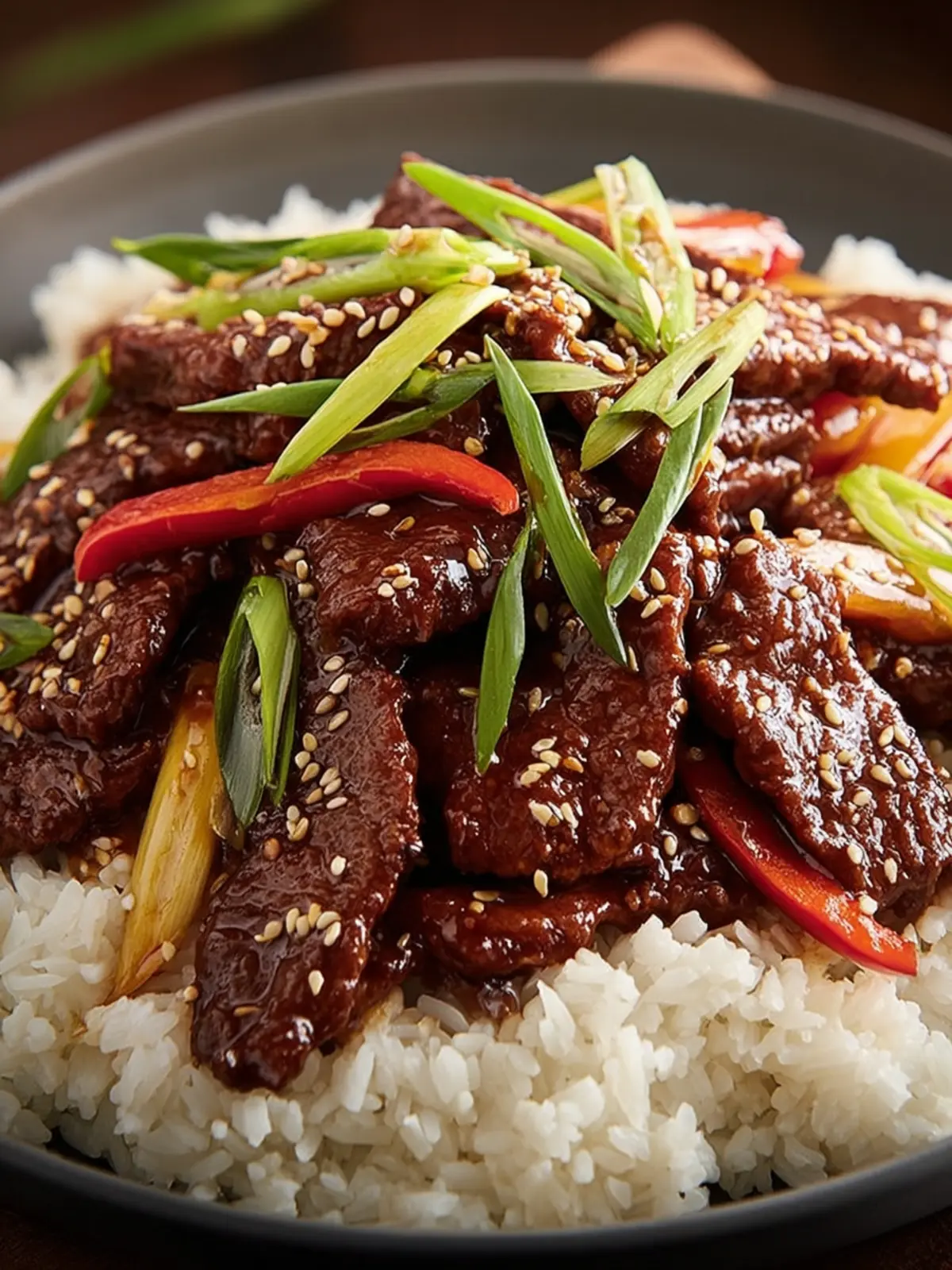
Key Ingredients for Mongolian Beef
Creating Mongolian beef from scratch requires a handful of key ingredients, each playing a vital role in achieving that mouthwatering flavor profile. Here’s what you’ll need:
Beef: The heart of mongolian beef, I recommend using flank steak or sirloin. These cuts are tender and absorb marinades beautifully. Be sure to slice against the grain for that melt-in-your-mouth texture.
Soy Sauce: This foundational ingredient adds depth and complexity to the dish. Opt for a low-sodium variety to control the saltiness while still getting that rich umami flavor.
Brown Sugar: This sweet component balances the salty soy sauce. It introduces a caramel-like sweetness that harmonizes perfectly with the beef and veggies.
Garlic and Ginger: Fresh garlic and ginger bring a punch of aromatic goodness. Their flavors intertwine beautifully, enhancing the overall taste experience.
Green Onions: These not only provide a fresh crunch; they also add a pop of color. Feel free to garnish your dish with extra slices for that finishing touch.
By gathering these key ingredients, you’re well on your way to making a delightful Mongolian beef that’s sure to impress!
Why You’ll Love This Recipe
Mongolian beef is not just another dish; it’s an experience that captures the heart and soul of Asian cuisine. Imagine savoring tender slices of beef, beautifully marinated and stir-fried to a succulent perfection, all while being enveloped in a sweet and savory sauce that dances on your palate. This recipe is designed to make you feel like a culinary wizard, effortlessly whipping up a meal that impresses anyone at your dinner table.
Here’s why this Mongolian beef recipe is bound to become your new favorite:
Quick and Easy: Perfect for busy weeknights, this recipe takes minimal time to prepare and cook. You’ll have a delicious homemade meal ready in less than 30 minutes!
Flavorful Ingredients: Each ingredient is purposefully chosen to enhance the dish. From the soy sauce’s umami to the ginger’s warming notes, every bite is a flavor explosion.
Versatile: This dish is incredibly adaptable. It pairs beautifully with rice or noodles, and you can even customize it by adding your favorite vegetables.
You’ll love the moments spent in the kitchen, throwing together this delightful stir-fry, and the best part? The satisfaction of sharing a meal that brings people together is truly unmatched. Give this Mongolian beef recipe a try and prepare to be pleasantly surprised by how something so simple can be so incredibly rich in flavor.

Variations of Mongolian Beef
Exploring different variations of Mongolian beef can turn a delightful dish into an exciting culinary adventure. While the classic recipe often features tender beef cooked with green onions, there are many creative adaptations that can suit diverse tastes and dietary preferences.
Mongolian Beef with Broccoli
Adding broccoli not only boosts the nutritional value but also introduces a satisfying crunch to your meal. Steaming the broccoli lightly before adding it to the stir-fry allows it to maintain its bright green color and crisp texture, harmonizing beautifully with the tender beef.
Sweet and Spicy Mongolian Beef
For those who love a kick, consider incorporating red pepper flakes or a dash of sriracha into your sauce. This variation adds an exciting heat that perfectly complements the sweetness of the soy sauce and sugar.
Vegetarian Mongolian “Beef”
If you’re looking for a plant-based alternative, using seitan or thinly sliced eggplant can mimic the texture of beef delightfully. Toss it in the same savory sauce, and you’ll have a delicious vegetarian take on Mongolian beef that satisfies everyone at the table.
Mongolian Beef Tacos
Imagine the rich flavors of Mongolian beef wrapped in a warm tortilla! This creative spin on traditional tacos allows you to layer the beef with fresh toppings like cilantro, avocado, and a squeeze of lime for a refreshing twist.
Each of these variations offers a unique taste experience while staying true to the essence of Mongolian beef. Whether you’re cooking for a cozy night in or impressing friends at a gathering, these adaptations will surely elevate your culinary repertoire.
Cooking Tips and Notes for Mongolian Beef
Creating a delectable Mongolian beef dish involves more than just following a recipe; it’s about infusing your own touch and understanding the key elements that elevate this classic meal. Here are some helpful tips to ensure your dish is both flavorful and authentic.
Choosing Your Beef Wisely
When selecting the beef for your Mongolian beef, opt for tender cuts like flank steak or sirloin. Slice against the grain to enhance tenderness, and don’t forget to marinate your beef for at least 30 minutes before cooking. This not only infuses flavor but also aids in a more tender result.
Perfecting the Sauce
A great sauce is the heartbeat of Mongolian beef. Be sure to balance the soy sauce with the right amount of sugar and garlic to create that sought-after sweet and savory harmony. If you want a fresher kick, consider adding a touch of grated ginger.
Heat Control is Key
Cook your beef quickly over high heat, using a wok if possible. This allows for that beautiful sear we all love while keeping the meat tender. If your pan isn’t hot enough, you risk steaming the beef instead of searing it.
Garnishing for Flavor
A sprinkle of fresh green onions or sesame seeds just before serving can elevate your Mongolian beef far beyond the ordinary. They add crunch and a punch of flavor that truly completes the dish.
By incorporating these cooking tips, you’ll bring your Mongolian beef to life in a way that delights your taste buds and impresses your dinner guests!

Serving Suggestions for Mongolian Beef
Mongolian beef is a dish that mesmerizes the senses with its bold flavors and tender beef. To create a truly memorable meal, consider pairing this delectable dish with a few thoughtful sides and beverages that complement its rich taste.
Perfect Pairings
Steamed Rice: Fluffy, steamed jasmine or basmati rice serves as the ideal base for absorbing the savory sauce of Mongolian beef. A sprinkle of sesame seeds can add an extra touch of flavor and crunch.
Stir-Fried Vegetables: A colorful medley of bell peppers, broccoli, and snap peas adds vibrancy to your plate. The slightly crunchy texture offers a delightful contrast to the tender beef while providing added nutrients.
Side Salad: A light cucumber and carrot salad dressed in a tangy vinaigrette can help balance the hearty flavors of Mongolian beef. The crispness of the vegetables brightens the meal, making it feel refreshing.
Beverage Recommendations
Green Tea or Jasmine Tea: These teas are not just delicious; they also aid digestion, making them fantastic companions to this rich meal.
Light Red Wine: If you’re in the mood for something stronger, a light red wine, like Pinot Noir, complements the dish without overwhelming its flavors.
Bringing these elements together creates a complete dining experience that showcases the wonderful taste of Mongolian beef. Enjoy experimenting with these suggestions and find your favorite combinations!
Time Breakdown for Cooking Mongolian Beef
Preparation Time
Cooking Mongolian beef starts with about 15 minutes of preparation. During this time, you’ll slice the beef against the grain, chop the vegetables, and whisk together the flavorful sauce that will elevate your dish.
Cooking Time
Once everything is prepped, the cooking time is approximately 10 minutes. This quick, high-heat stir-frying is key to locking in the flavors and achieving that delicious, tender texture.
Total Time
In under 30 minutes, you’ll have a delightful plate of Mongolian beef ready to serve. Perfect for a weeknight dinner, it’s a speedy solution to satisfy your cravings!
Nutritional Facts for Mongolian Beef
When diving into the savory world of Mongolian beef, it’s fascinating to understand how this beloved dish not only satisfies your taste buds but also packs a nutritional punch. Let’s break down the essential components of this dish to give you a clearer picture of what you’re enjoying.
Calories
A typical serving of Mongolian beef contains around 300-400 calories, making it a hearty yet manageable meal option. This calorie range varies based on the specific cooking methods and serving sizes.
Protein
What makes Mongolian beef truly delightful is its high protein content. Each serving can provide about 25-30 grams of protein, thanks to the tender beef, which is essential for muscle repair and overall health.
Sodium
Like many Asian-inspired dishes, Mongolian beef can be on the salty side, with sodium levels reaching up to 700-800 mg per serving. If sodium intake is a concern, consider adjusting the soy sauce quantity during preparation for a healthier twist.
Understanding these nutritional facts empowers you to enjoy this flavorful dish while being mindful of your dietary needs and goals.
FAQs about Mongolian Beef
Mongolian beef is a delightful dish known for its tender beef slices and sweet, savory glaze. If you’re curious about this dish, you might be in for a few surprises!
Is Mongolian beef really Mongolian?
Despite its name, Mongolian beef isn’t traditional in Mongolia. The dish has origins in Chinese-American cuisine, likely created to cater to Western tastes. The name may have been inspired by the Mongolian BBQ style of cooking—grilling meat quickly over high heat. So, while it captures some essence of Asian flavors, it’s more of a fusion dish that has gained popularity across the globe.
Can I substitute ingredients in Mongolian beef?
Absolutely! Don’t hesitate to make it your own. Here are a few common substitutions:
- Beef: Flank steak is commonly used, but you can opt for sirloin or even chicken if you prefer.
- Soy Sauce: If you’re looking for a lower sodium option, use tamari or coconut aminos.
- Brown Sugar: For a healthier twist, try using honey or coconut sugar, which will add a different depth of flavor.
Adjusting the ingredients can still yield a delicious result while catering to your dietary preferences.
How can I make Mongolian beef less sweet?
If sweetness isn’t your thing, there are simple ways to tone it down:
- Reduce the amount of brown sugar in the recipe; start with half and adjust to your taste.
- Add a splash of vinegar (rice or apple cider vinegar) to balance the sweetness with acidity.
- Incorporate more vegetables, such as bell peppers or snow peas, which can help offset the sweetness and add texture.
By tweaking these elements, you can create a savory dish that still maintains its core flavors without overwhelming sweetness. Enjoy crafting your perfect Mongolian beef experience!
Conclusion on Mongolian Beef
In conclusion, preparing Mongolian beef at home not only satisfies your cravings but also lets you customize flavors to suit your taste. With tender slices of beef, a savory sauce, and aromatic green onions, this dish truly embodies a blend of sweet and salty that will keep you coming back for more.
Next time you’re pressed for time, remember that this quick and delightful recipe is perfect for busy weeknights. Grab your key ingredients, follow the steps, and you’ll create a dish that’s sure to impress friends and family alike. Enjoy the deliciousness and the vibrant experience of making your own Mongolian beef!
Print
General Tso’s Beef
- Total Time: 25 minutes
- Yield: 4 servings 1x
Description
A delicious and quick stir-fry recipe featuring tender beef coated in a savory sauce.
Ingredients
- 1 lb (450g) flank steak, thinly sliced against the grain
- 1/4 cup cornstarch
- 3 tbsp vegetable oil
- 3 cloves garlic, minced
- 1 tsp fresh ginger, grated
- 1/2 cup soy sauce
- 1/2 cup water
- 1/3 cup brown sugar (or honey as a substitute)
- 1/2 tsp red pepper flakes (optional for heat)
- 3 green onions, sliced into 1-inch pieces
- Cooked rice, for serving
Instructions
- Prep the beef: Toss the thinly sliced beef in cornstarch until evenly coated. Shake off any excess.
- Cook the beef: Heat vegetable oil in a large skillet over medium-high heat. Add beef in batches and cook until browned on all sides (about 2–3 minutes per batch). Remove and set aside.
- Make the sauce: In the same pan, add garlic and ginger. Sauté for 30 seconds until fragrant.
- Combine sauce ingredients: Stir in soy sauce, water, and brown sugar. Bring to a gentle boil and let simmer for 2–3 minutes until slightly thickened.
- Finish the dish: Return the beef to the pan and toss to coat in the sauce. Add green onions and cook for another 1–2 minutes (just until slightly tender).
- Serve: Serve hot over cooked rice for a complete meal.
Notes
- This dish can also be made with chicken or tofu as alternatives.
- Adjust the amount of red pepper flakes according to your heat preference.
- Prep Time: 10 minutes
- Cook Time: 15 minutes
- Category: Main Dish
- Method: Stir-Fry
- Cuisine: Asian
Nutrition
- Serving Size: 1 cup
- Calories: 400
- Sugar: 10g
- Sodium: 800mg
- Fat: 20g
- Saturated Fat: 3g
- Unsaturated Fat: 15g
- Trans Fat: 0g
- Carbohydrates: 30g
- Fiber: 1g
- Protein: 30g
- Cholesterol: 70mg