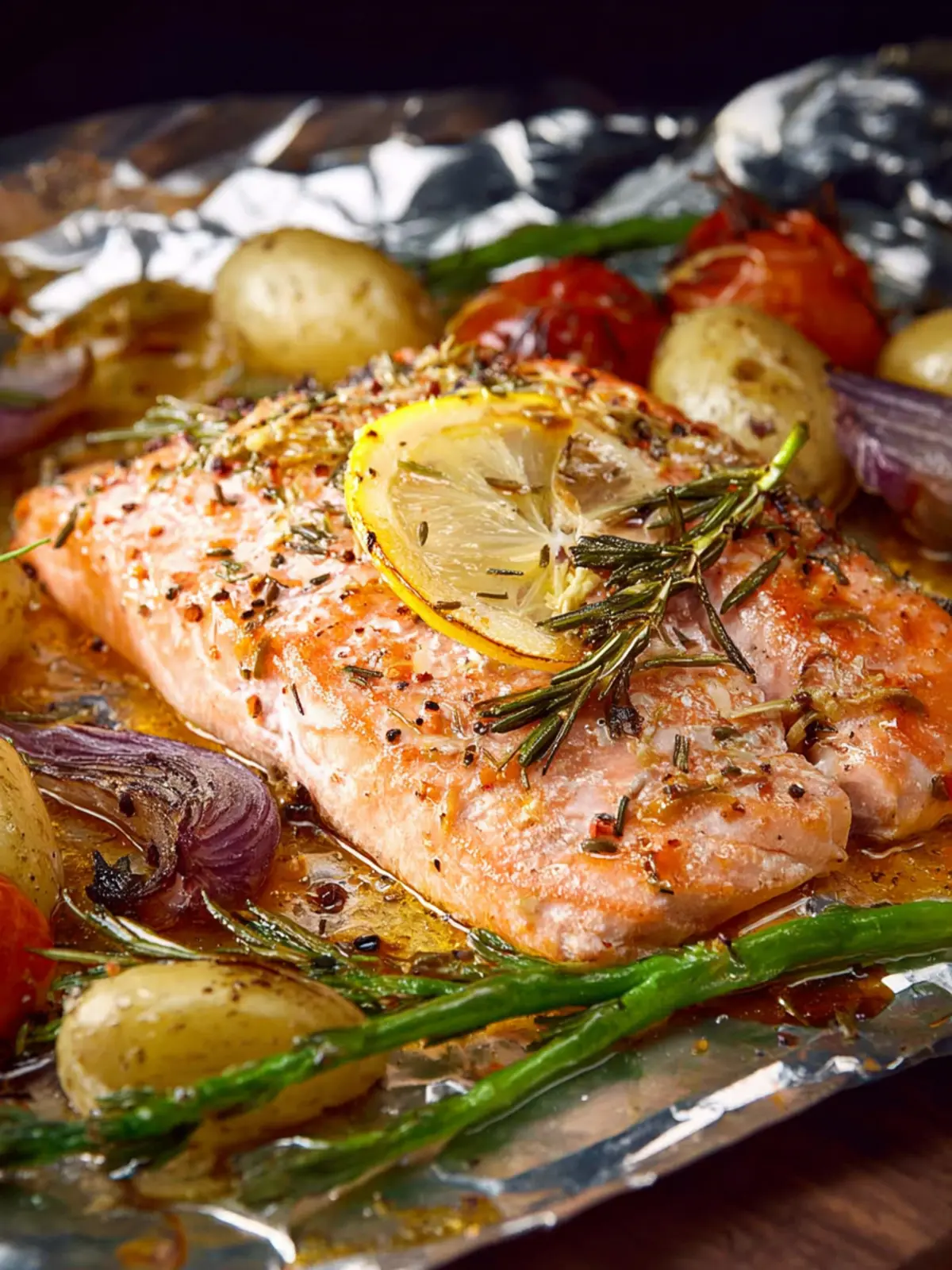
Introduction to Baked Salmon
Baked salmon brings together the warmth of home-cooked meals with the ease of preparing a dish that fits seamlessly into a young professional’s busy lifestyle. Imagine returning home after a long day at work, hungry yet wanting something nutritious and satisfying. Baked salmon steps in as the hero of weeknight dinners, ready to impress with minimal effort and maximum flavor.
What makes baked salmon a go-to dish for young professionals? First and foremost, it’s the simplicity. With just a few ingredients and a little bit of time, you can create a delicious meal that feels indulgent without breaking the bank. Salmon is packed with essential nutrients, including Omega-3 fatty acids and high-quality protein, making it a healthful choice that complements a well-rounded diet.
Ease of Preparation
Baked salmon is a breeze to make. You can toss the fillets in a baking dish, season them however you like, and let the oven do the heavy lifting. This frees up time for you to unwind, catch up on your favorite show, or tackle other chores.
Flavor Versatility
The beauty of baked salmon lies in its versatility. Whether you’re in the mood for zesty lemon and dill or a robust soy glaze, the flavor combinations are endless. This means you can easily switch things up from week to week, ensuring you never get bored while keeping your taste buds excited.
Meal Prep Friendly
For those meal prepping aficionados out there, baked salmon checks all the boxes. Cook once, eat multiple times. Whip up a large batch over the weekend, and you have ready-to-go lunches for the week. Pair it with various sides like quinoa, roasted vegetables, or a fresh salad for unstoppable combinations.
Ultimately, baked salmon is a gateway to healthy eating without sacrificing flavor or time. You can elevate your weeknight dining experience while enjoying a meal that aligns with your health goals. So grab your salmon fillets, and let’s dive into this delectable recipe that’s all about balance and simplicity!
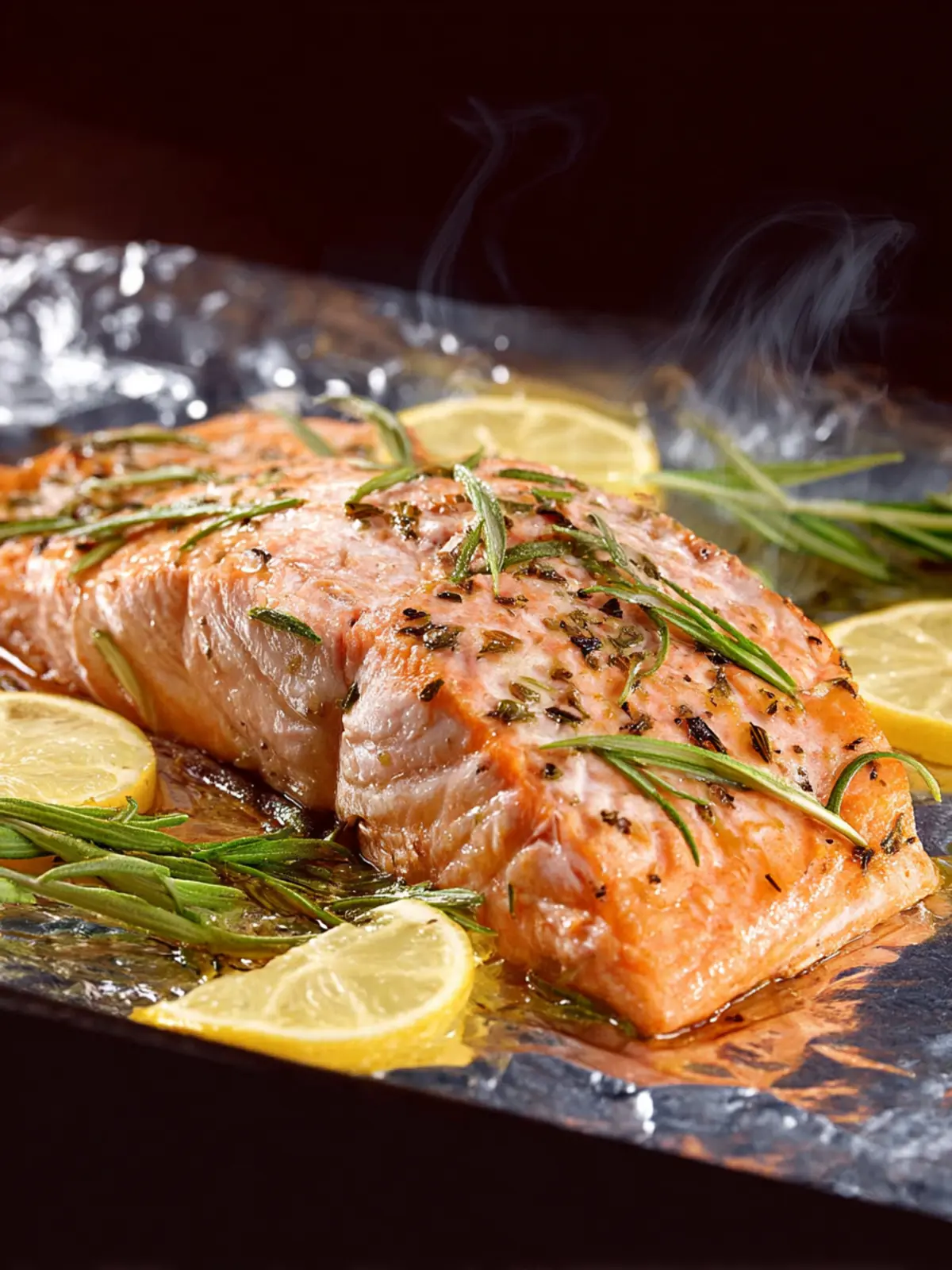
Key Ingredients for Baked Salmon
Salmon: The star of the show in any baked salmon recipe is, of course, the salmon itself! Fresh salmon fillets provide a rich, buttery flavor and a tender texture that makes this dish irresistible. If you’re lucky, you might even find wild-caught salmon, which offers an unparalleled taste experience.
Olive Oil: A drizzle of high-quality olive oil not only enhances the salmon’s flavor but also supports its moisture content while baking. It’s an essential ingredient for achieving that perfectly flaky texture.
Lemon: Freshly squeezed lemon juice brightens the dish and balances the richness of the salmon. The zest adds an aromatic touch that elevates the overall flavor profile.
Herbs: A sprinkle of fresh herbs, such as dill or parsley, adds a pop of color and an earthy note that complements the fish beautifully. I personally love dill; it brings a fresh and elegant touch.
Seasoning: Don’t forget salt and pepper. Just a pinch of each helps to bring out the inherent flavors of the salmon, making every bite truly delicious.
Why You’ll Love This Baked Salmon Recipe
At the heart of our delicious baked salmon recipe lies the promise of a meal that’s not just nourishing, but also a feast for the senses. Imagine savoring tender salmon, perfectly cooked, with vibrant flavors that dance across your palate. It’s a dish that brings together simplicity and elegance—ideal for a weeknight dinner or a weekend gathering with friends.
Quick and Easy Preparation
One of the standout features of this baked salmon recipe is its ease. With minimal prep time and simple ingredients, you can conquer the dinner rush without breaking a sweat. For busy young professionals, a quick, nutritious meal might feel elusive, but this recipe delivers just that. You can pop the salmon in the oven, toss together a refreshing salad, and voilà—dinner’s on the table in no time!
Health Benefits
Packed with omega-3 fatty acids, salmon is celebrated for its heart-healthy properties. Not only will you enjoy a delectable meal, but you’ll also feel great about fueling your body with nutritious ingredients. Impress your friends with your culinary skills while treating yourself to something that’s both wholesome and indulgent.
Versatile Pairings
The beauty of this recipe lies in its versatility. Whether you want to keep it simple with a side of steamed vegetables or elevate the experience with a zesty dill sauce, the baked salmon adapts to your preferences. You’ll love how it fits seamlessly into any meal plan—healthy, delicious, and utterly satisfying.
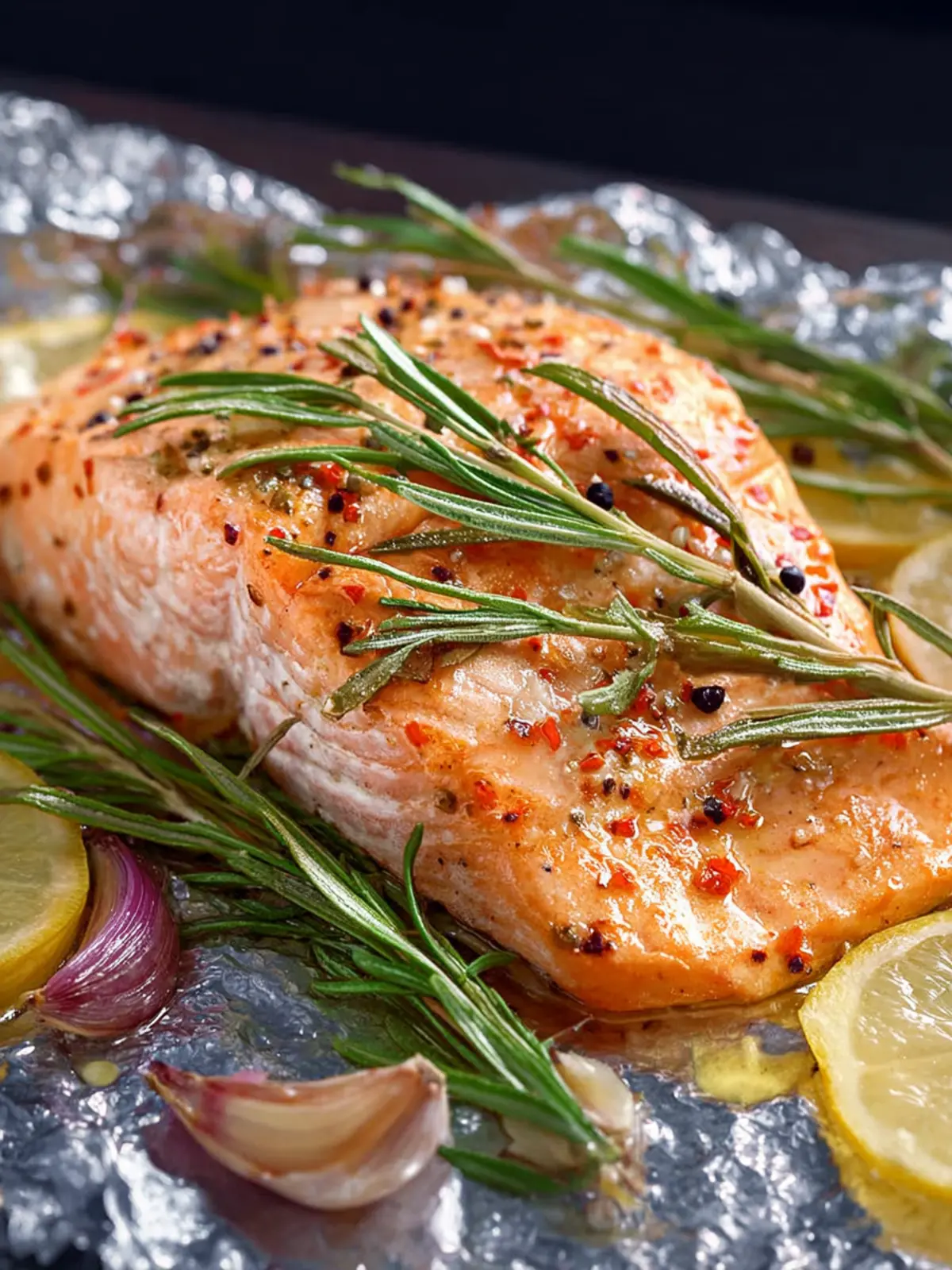
Variations on Baked Salmon
Baked salmon is not just a one-size-fits-all dish; it opens up a world of flavor possibilities that can elevate your dining experience. Imagine enjoying it with a zingy citrus glaze or perhaps smothered in a rich herb crust. Here are a few variations that will make your baked salmon a memorable centerpiece at any meal.
Zesty Lemon Dill
This classic combination enhances the natural flavors of salmon beautifully. Simply drizzle fresh lemon juice over the fish before baking and sprinkle it generously with dill. Pairing this with steamed asparagus creates a lovely balance of flavors and textures.
Honey-Mustard Glaze
For a touch of sweetness, mix equal parts honey and Dijon mustard for a delightful glaze. Brush it over the salmon before baking for a crispy, caramelized finish that contrasts perfectly with the fish’s richness. Serve with a side of roasted Brussels sprouts for added crunch.
Pesto and Parmesan
If you’re a fan of bold flavors, spread a layer of basil pesto on top of your salmon before baking and finish with a sprinkle of grated Parmesan cheese. The result is a crust that adds crunch and a flavor explosion. This variation goes well with a light salad or quinoa for a nutritious meal.
Asian-Inspired Teriyaki
Transform your baked salmon into an Asian delight by marinating it in teriyaki sauce before baking. The sweet and savory profile pairs excellently with jasmine rice and steamed vegetables, adding a delightful twist to your dinner.
With these variations, you can enjoy the versatility of baked salmon throughout the week, keeping dinner exciting and delicious.
Cooking Tips and Notes for Baked Salmon
Baking salmon is not just about the cooking method; it’s about unlocking the rich flavors and ensuring a succulent bite every time. With a few thoughtful cooking tips and tricks, you can elevate your baked salmon experience and impress even the pickiest eaters.
Choose Quality Salmon: Starting with fresh, high-quality salmon can make all the difference. Look for fillets that are moist and vibrant in color. Ideally, wild-caught salmon is preferable due to its richer flavor and firmer texture.
Marinade Time: For an extra flavor boost, let your salmon marinate for at least 30 minutes before baking. A mixture of olive oil, lemon juice, and herbs not only adds taste but also tenderizes the fish, making it even more delicious.
Don’t Overbake: Keep an eye on the baking time. Overcooked salmon can become dry and lose its appeal. Aim for an internal temperature of about 145°F; the fish should flake easily with a fork but remain slightly translucent in the center.
Add Flavor with Toppings: Consider topping your baked salmon with fresh herbs, garlic, or a drizzle of balsamic glaze after baking. This adds an aromatic finishing touch that can transform your dish into something spectacular.
Experiment with Sides: Baked salmon pairs wonderfully with a variety of sides—think roasted vegetables, quinoa, or a light salad. Mixing textures and flavors can create a well-rounded meal and delight your taste buds!
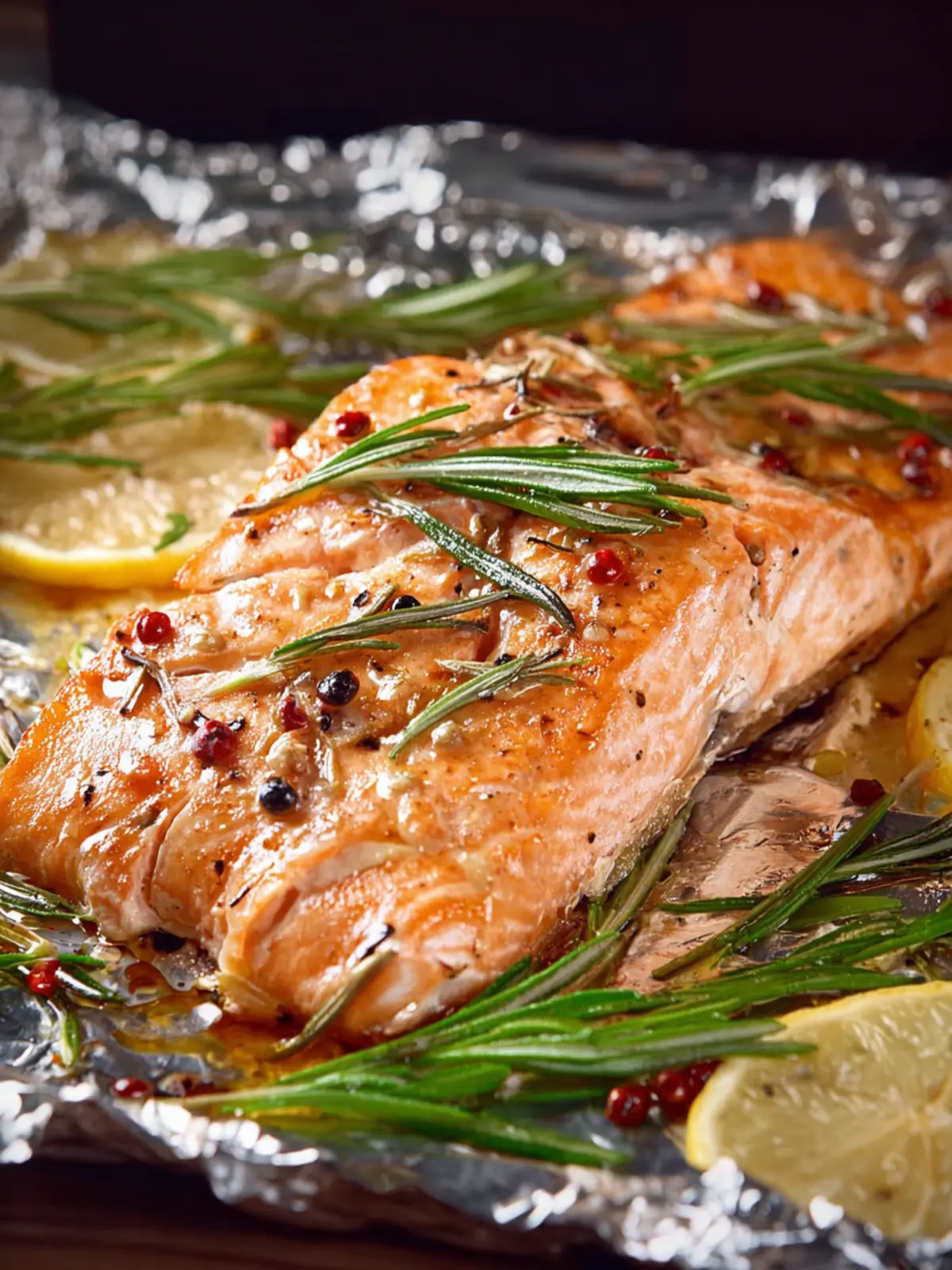
Serving Suggestions for Baked Salmon
Baked salmon is a versatile and delicious dish that can elevate any dinner table. As you savor the tender, flaky fish, consider pairing it with sides that enhance its natural flavors. Here are some delightful serving suggestions to complement your baked salmon experience:
Fresh Salads
A light, crisp salad makes for a refreshing side. Consider a mix of arugula, cherry tomatoes, and cucumber drizzled with a lemon vinaigrette. The acidity will brighten the dish and provide a pleasant contrast.
Flavorful Grains
Serve your baked salmon with a side of quinoa or brown rice. These whole grains add a nutty flavor and provide texture—perfect for soaking up any sauces you might drizzle over your salmon.
Roasted Vegetables
Roasted seasonal vegetables, such as asparagus or Brussels sprouts, add a colorful touch and a wonderful depth of flavor to your meal. Toss them in olive oil, salt, and pepper before roasting for a delicious complement to the fish.
Zesty Sauces
A dollop of dill sauce or a squeeze of fresh lemon juice can elevate your baked salmon to new heights. These sauces add brightness while enhancing the fish’s natural flavors.
Whether it’s a casual weeknight dinner or a special occasion, these serving suggestions guarantee a delicious and satisfying meal.
Time Breakdown for Baked Salmon
Cooking baked salmon can transform a simple meal into a gourmet experience, all while being incredibly time-efficient. Let’s break down the timeline for this delightful dish to help you plan your cooking.
Preparation Time
Getting started with your baked salmon takes about 10 to 15 minutes. This includes gathering the ingredients, preheating the oven, and seasoning the salmon to your taste.
Baking Time
Once your salmon is ready to go, it only needs around 12 to 15 minutes in the oven. Pay attention to the internal temperature—it should reach 145°F for the perfect flakiness.
Total Time
When you combine the preparation and baking, you’re looking at a total of approximately 25 to 30 minutes. That’s fast food in its finest form, perfect for busy weeknights yet impressive enough for dinner guests!
Nutritional Facts for Baked Salmon
Baked salmon is not just a delicious choice for dinner; it also boasts impressive nutritional benefits that align perfectly with a healthy lifestyle.
Calories
A serving of baked salmon contains approximately 232 calories. This makes it a satisfying option without excessive calorie overload, allowing you to enjoy a hearty meal that won’t compromise your dietary goals.
Protein
What sets baked salmon apart is its protein content. You’ll find about 25 grams of high-quality protein per serving, which is essential for muscle repair and overall body function. This makes it an excellent choice for those looking to stay energized throughout the day.
Sodium
An important consideration for many is sodium, and a serving of baked salmon typically contains around 50-60 mg of sodium. This is relatively low, helping you maintain healthy blood pressure levels while still enjoying a flavorful dish.
Incorporating baked salmon into your diet offers a wonderful balance of flavor and nutrition, making it a go-to for easy weeknight meals or special occasions.
FAQ about Baked Salmon
Baked salmon is a versatile and delicious dish, perfect for both casual dinners and special occasions. If you’re diving into this recipe for the first time, you might have some questions. Here’s a handy FAQ section to help you navigate your baked salmon journey!
What’s the best way to tell if salmon is done?
Knowing when your baked salmon is perfectly cooked can be a skill! The best way to tell if it’s done is by checking the color and texture. The salmon should flake easily with a fork and have a uniform, opaque color. Using an instant-read thermometer is another great option; aim for a temperature of 145°F in the thickest part of the fillet. If it’s hard to tell, cut into the center a bit—if it’s still translucent or if it struggles to flake, give it a few more minutes in the oven.
Can I use frozen salmon for this recipe?
Absolutely! Frozen salmon can be a convenient choice. Just ensure to thaw it before baking for the best results. You can thaw salmon in the refrigerator overnight or use the microwave’s defrost setting. Once thawed, pat the fillets dry to remove excess moisture, allowing for better seasoning adherence and a more enjoyable texture once baked.
How should I store leftover baked salmon?
If you find yourself with leftover baked salmon, storing it properly is essential to maintain its deliciousness. Place the salmon in an airtight container in the refrigerator. It should be fine for up to 3 days. To reheat, avoid using the microwave, which can dry it out. Instead, warm it gently in the oven at a low temperature until heated through, helping to preserve its flavor and moisture.
Conclusion on Baked Salmon
Baked salmon is an exceptional dish that beautifully marries ease and elegance. With just a few simple ingredients—a fresh, quality piece of salmon, some vibrant herbs, and a splash of citrus—you can create a meal that impresses both family and friends. The beauty of baked salmon lies not only in its delightful flavors but also in its versatility; it pairs well with a variety of sides, making it a go-to option for any occasion. So next time you’re in the mood for a healthy and sumptuous dinner, remember that baking salmon is a foolproof way to achieve culinary success in your kitchen.
Print
Baked Salmon with Rosemary and Garlic
- Total Time: 30 minutes
- Yield: 4 servings 1x
- Diet: gluten-free
Description
A delicious and easy baked salmon recipe with rosemary, garlic, and lemon, perfect for dinner.
Ingredients
- 2 pounds salmon (boneless, wild caught if possible)
- 5 sprigs fresh rosemary
- 2 small lemons (divided, plus extra for serving)
- 2 tablespoons extra virgin olive oil
- 1 teaspoon kosher salt
- 1/4 teaspoon ground black pepper
- 4 cloves garlic (peeled and roughly chopped)
- Additional chopped fresh herbs (such as basil, thyme, parsley, dill, or green onion (optional))
Instructions
- Remove the salmon from the refrigerator and let stand at room temperature for 10 minutes while you prepare the other ingredients. Heat oven to 375 degrees F. Line a large baking dish or rimmed baking sheet with a large piece of aluminum foil.
- Lightly coat the foil with baking spray, then arrange 2 sprigs of the rosemary down the middle. Cut one of the lemons into thin slices and arrange half the slices down the middle with the rosemary. Place the salmon on top.
- Drizzle the salmon with the olive oil and sprinkle with the salt and pepper. Rub to coat, then scatter the garlic cloves over the top. Lay the remaining rosemary and lemon slices on top of the salmon. Juice the second lemon, then pour the juice over the top.
- Fold the sides of the aluminum foil up and over the top of the salmon until it is completely enclosed. If your piece of foil is not large enough, place a second piece on top and fold the edges under so that it forms a sealed packet. Leave a little room inside the foil for air to circulate.
- Bake the salmon for 15-20 minutes, until the salmon is almost completely cooked through at the thickest part. The cooking time will vary based on the thickness of your salmon.
- Remove the salmon from the oven and carefully open the foil so that the top of the fish is completely uncovered (be careful of hot steam). Change the oven setting to broil, then return the fish to the oven and broil for 3 minutes, until the top of the salmon and the garlic are slightly golden and the fish is cooked through.
- Remove the salmon from the oven. If it still appears a bit underdone, you can wrap the foil back over the top and let it rest for a few minutes. Do not let it sit too long—salmon can progress from ‘not done’ to ‘over done’ very quickly. As soon as it flakes easily with a fork, it’s ready.
- To serve, cut the salmon into portions. Sprinkle with additional fresh herbs or top with an extra squeeze of lemon as desired.
Notes
- Cooking time will vary based on the thickness of your salmon.
- If using thinner salmon (around 1-inch thick), check several minutes early to avoid overcooking.
- If the salmon is very thick (1 1/2 inches or more), it may need longer.
- Prep Time: 10 minutes
- Cook Time: 20 minutes
- Category: main dish
- Method: baking
- Cuisine: American
Nutrition
- Serving Size: 1 portion