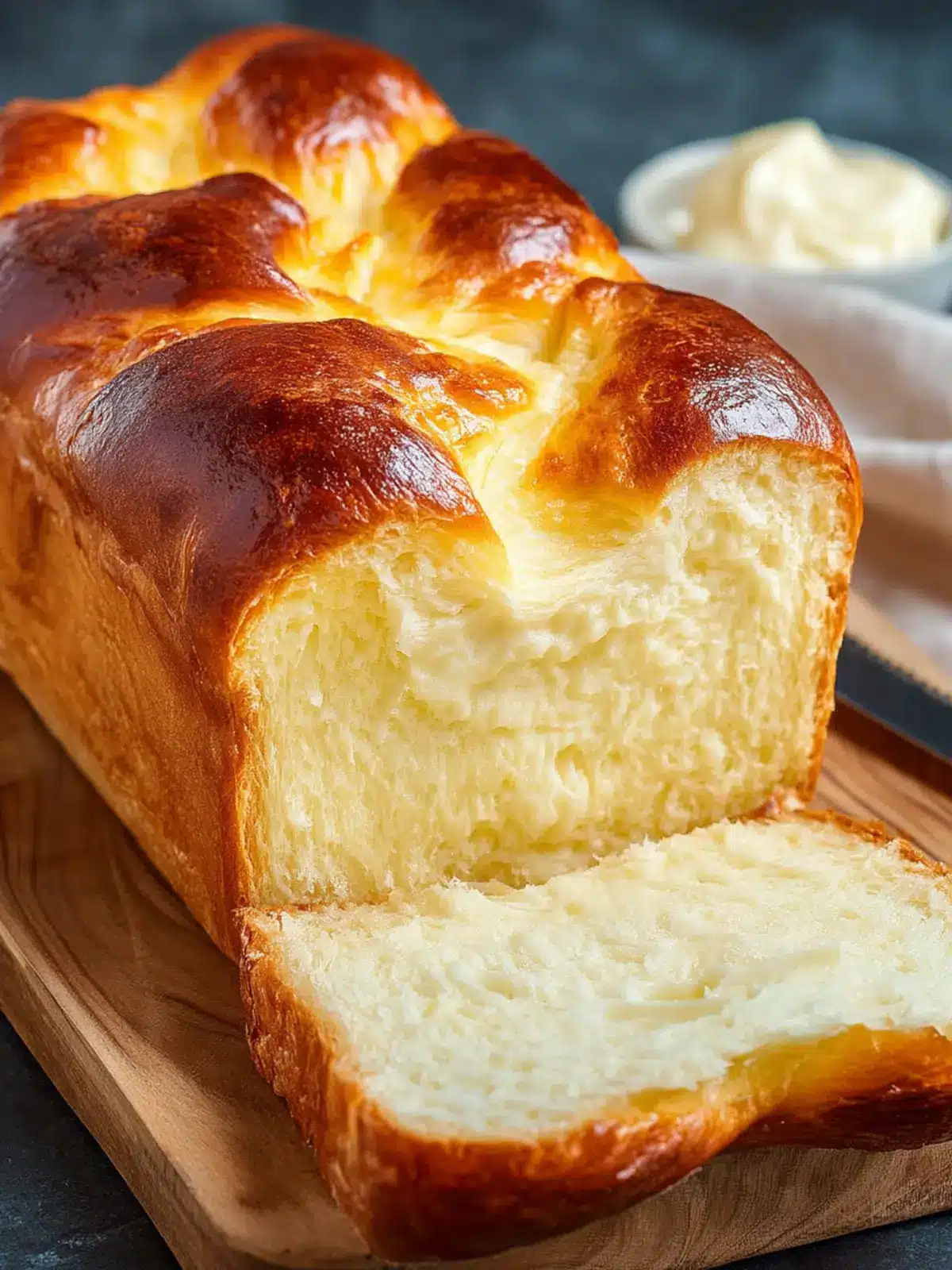
Introduction to Soft and Buttery Milk Bread Loaf: The Perfect Recipe!
The soft and buttery milk bread loaf is not just a baked good; it’s an experience that invites nostalgia and warmth the moment it comes out of the oven. For many, this loaf may paint pictures of cozy family breakfasts or afternoons spent enjoying sweet stories over a slice of freshly baked bread. Its light, fluffy texture, combined with a subtle buttery flavor, makes it the ideal companion for both savory and sweet spreads.
Whether you’re a seasoned baker or just starting to dabble in the culinary arts, this recipe promises not only ease but also delightful results that will have your friends and family asking for seconds. Flour, milk, butter, and sugar come together in a harmonious blend, creating bread that is nothing short of indulgent.
You’ll find that the soft and buttery milk bread loaf is versatile too—a perfect base for sandwiches or simply toasted with a pat of butter. If you’ve ever wondered how bakeries achieve that delightful softness, it’s often with a combination of high-quality ingredients and a touch of love. Plus, there’s nothing quite like the aroma wafting through your kitchen while it bakes. It’s a smell that simply makes everything feel right in the world, doesn’t it?
What makes this milk bread special?
What sets this soft and buttery milk bread loaf apart from the rest is its ability to melt in your mouth while being incredibly easy to make. Here are a few unique aspects:
Buttermilk Enrichment: Using buttermilk adds a subtle tang that balances the sweetness and enhances moistness.
Extended Proofing Time: Allowing the dough to rise longer gives it a unique fluffy structure that will leave you wanting more.
Versatility: This recipe is perfect not only for breakfast but can be used for sandwiches, French toast, or even as an indulgent side to a meal.
Family Tradition: Baking this loaf can become a family favorite, a recipe passed down through generations, building connections and memories with every slice shared.
Embark on this baking journey, and soon you’ll understand why this loaf is cherished by so many. Let’s dive into the ingredients that will help you create this delightful masterpiece!
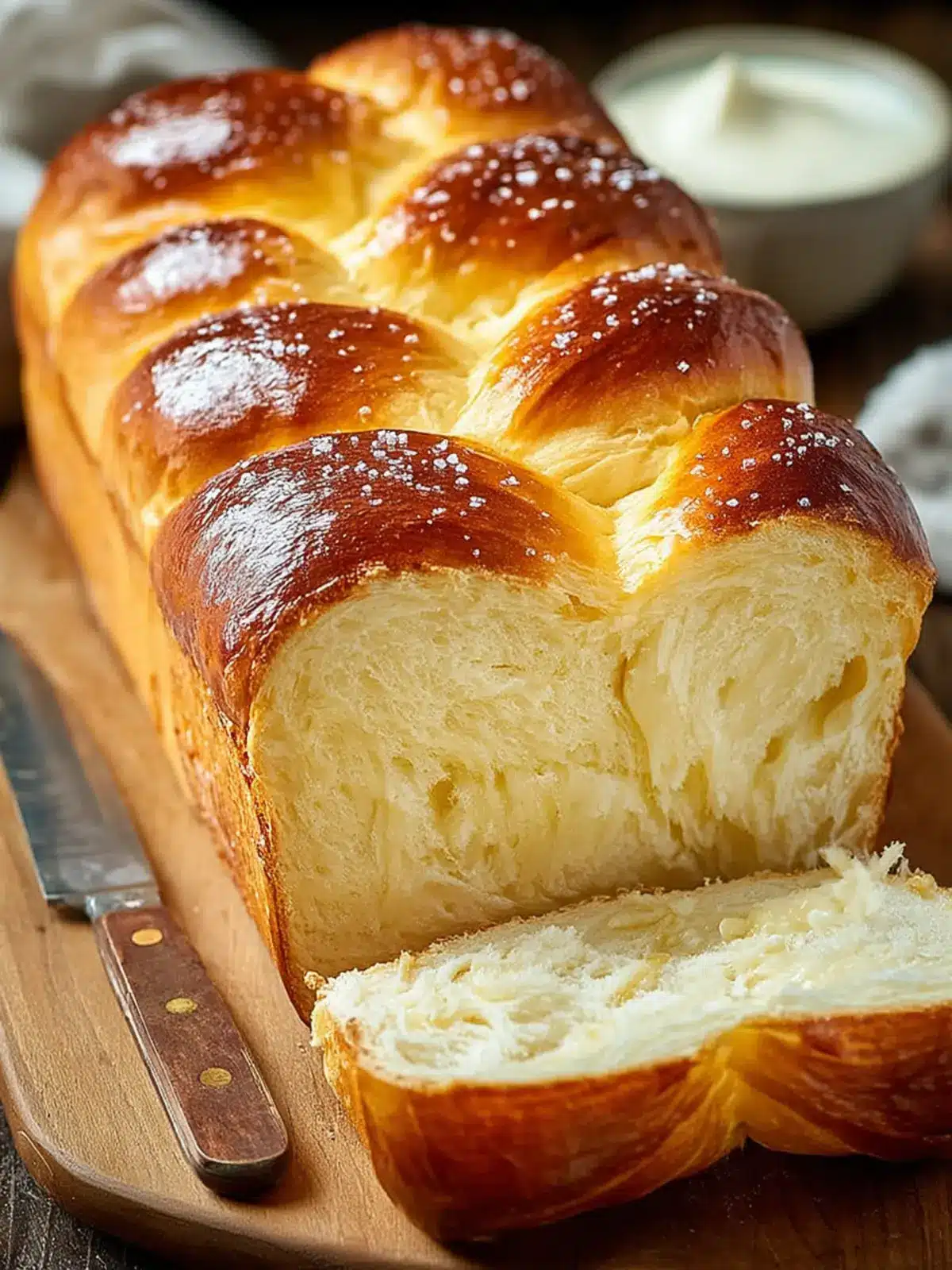
Key Ingredients for Soft and Buttery Milk Bread Loaf
Bread Flour: To achieve that soft and buttery milk bread loaf everyone craves, I rely on bread flour for its higher protein content. This promotes gluten development, ensuring a structure that’s both chewy and fluffy, creating the ideal loaf.
Whole Milk: Whole milk is my go-to for this recipe because it adds a lavish richness and moisture that keeps the bread tender. If you happen to be out of whole milk, don’t fret—you can substitute with 2% milk for a lighter, yet still scrumptious version.
Granulated Sugar: Just a pinch of sugar brings a subtle sweetness to the mix. More importantly, it helps activate the yeast, resulting in a beautifully golden crust once baked.
Active Dry Yeast: I prefer using active dry yeast for its effectiveness in rising. With just a single packet, you’ll achieve a wonderfully fluffy texture that elevates your loaf.
Salt: Salt is crucial; it enhances flavor and plays a role in strengthening gluten structure, guaranteeing that perfect taste that makes you want to reach for another slice.
Unsalted Butter: The star of this recipe is unsalted butter. When softened, it enriches the dough, infusing a delightful buttery flavor that elevates the loaf and keeps it irresistibly soft.
Why You’ll Love This Recipe
The soft and buttery milk bread loaf is more than just a recipe; it’s a comforting centerpiece for your kitchen, a delight that brings warmth to your home. Imagine pulling a golden-brown loaf from the oven, the scent of freshly baked bread wafting through the air. It’s this sensory experience that makes your heart happy and your family gather around the table.
Here’s why you’ll adore this recipe:
Irresistible Texture: The secret lies in the perfect balance of butter and milk, creating a texture that’s soft yet sturdy. It’s the kind of bread that begs to be slathered with your favorite spreads, whether that’s butter, jam, or even avocado.
Versatile Uses: This bread is a blank canvas for endless culinary creativity. Use it for sandwiches, toast, or simply enjoy it fresh out of the oven. It also makes delightful French toast, transforming a simple breakfast into something extraordinary.
Easy to Make: You don’t need to be a baking expert to produce this masterpiece. With straightforward instructions and common ingredients, you’ll find the process enjoyable and rewarding.
Baking your own soft and buttery milk bread loaf is not just about satisfying your cravings; it’s about creating lasting memories—one slice at a time.
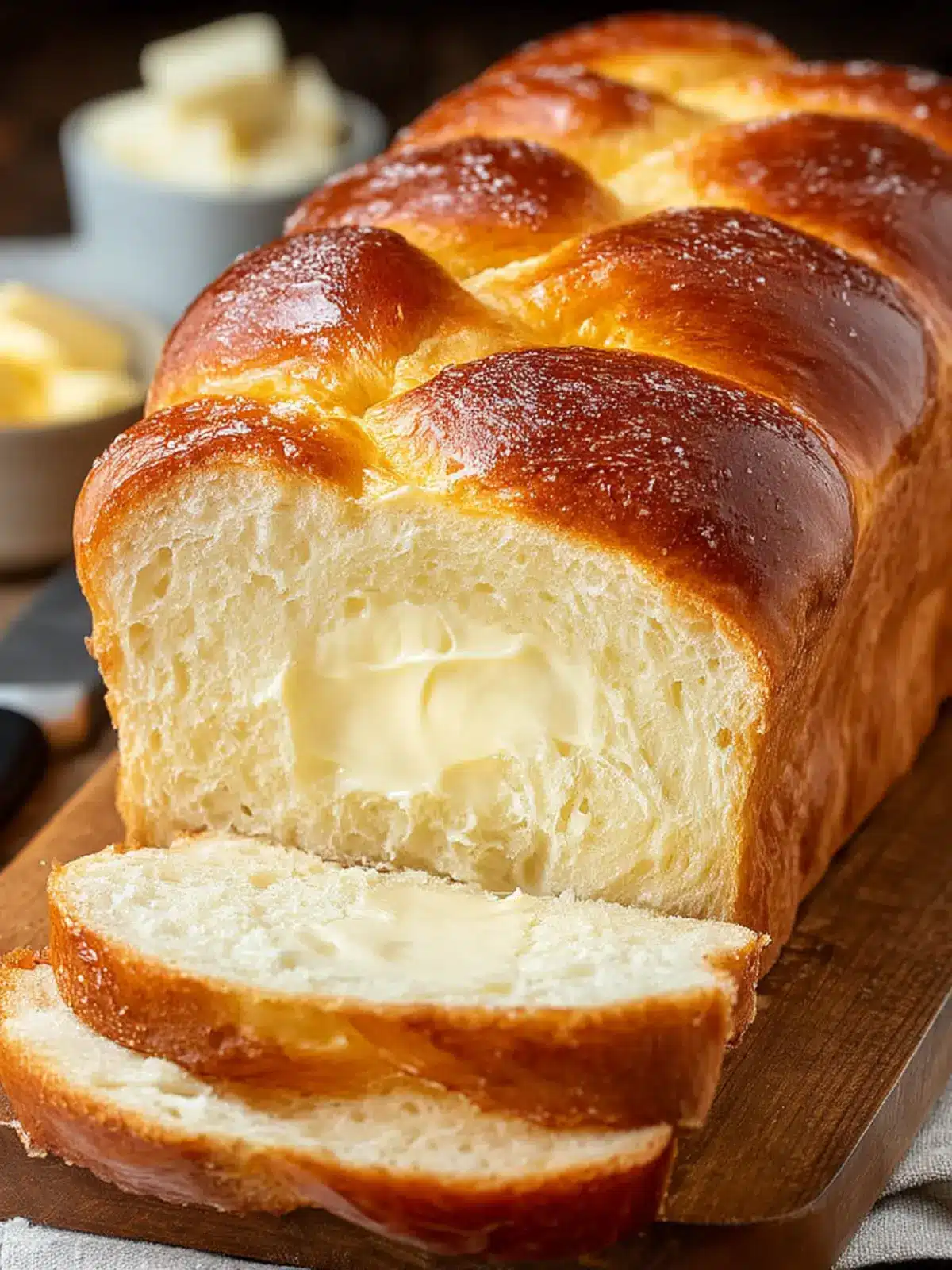
Variations on Soft and Buttery Milk Bread
Exploring the delightful world of soft and buttery milk bread loaf opens the door to countless possibilities. Whether you’re hosting brunch or simply want to deviate from the classic recipe, these variations will keep your taste buds dancing.
Sweet Additions
Add some sweetness to your soft and buttery milk bread loaf by incorporating ingredients like chocolate chips, raisins, or dried cranberries. They melt beautifully into the bread, creating pockets of flavor that are perfect for breakfast or a cozy snack. For an indulgent twist, sprinkling a little cinnamon sugar on top before baking can transform your loaf into a delightful treat.
Savory Twists
If you’re in a savory mood, why not try adding ingredients like shredded cheese, cooked bacon bits, or finely chopped olives? These hearty additions will turn your loaf into the perfect side for soups and salads, giving it a satisfying umami kick. What about experimenting with different cheeses like feta or cheddar for an even richer flavor profile?
Herb Infusions
To elevate your soft and buttery milk bread, consider infusing it with fresh herbs. Chopped rosemary, thyme, or basil can add a fragrant note and complexity that’s perfect for accompanying your favorite dishes. Just imagine your loaf paired with a rich stew or enjoyed with a simple olive oil dip — it’s a flavorful journey you won’t want to miss.
Try these variations to customize your bread and make it truly your own!
Cooking Tips and Notes for Perfect Bread
Creating the soft and buttery milk bread loaf of your dreams requires more than just following a recipe; it’s about mastering techniques that elevate your baking game. Here are some essential tips to ensure your bread turns out perfect every time.
Kneading Techniques
Kneading is crucial for developing gluten, which gives your bread its structure. Never rush this step—aim for about 10 minutes of dough-pushing and folding. Use the “windowpane test” to check your dough; when you can stretch a piece without tearing, you’re ready for the next step. If your dough is too sticky, a light dusting of flour can help, but be careful not to overdo it, or your bread might turn out dense.
Rising Tips
For a beautifully fluffy soft and buttery milk bread loaf, allow your dough to rise in a warm, moist environment. Consider preheating your oven to around 200°F, turning it off, and placing your bowl inside covered with a damp towel. This will create a cozy habitat for your yeast to thrive. Don’t rush the rising process—an extra hour can make a world of difference!
Storage Suggestions
Once you’ve proudly baked your soft and buttery milk bread loaf, store it properly to maintain that fresh, just-baked flavor. Let the loaf cool completely, then wrap it tightly in plastic wrap or store it in an airtight container. If you plan to keep it for more than a few days, freezing is a great option. Slice it beforehand, so you can enjoy individual pieces without defrosting the whole loaf.
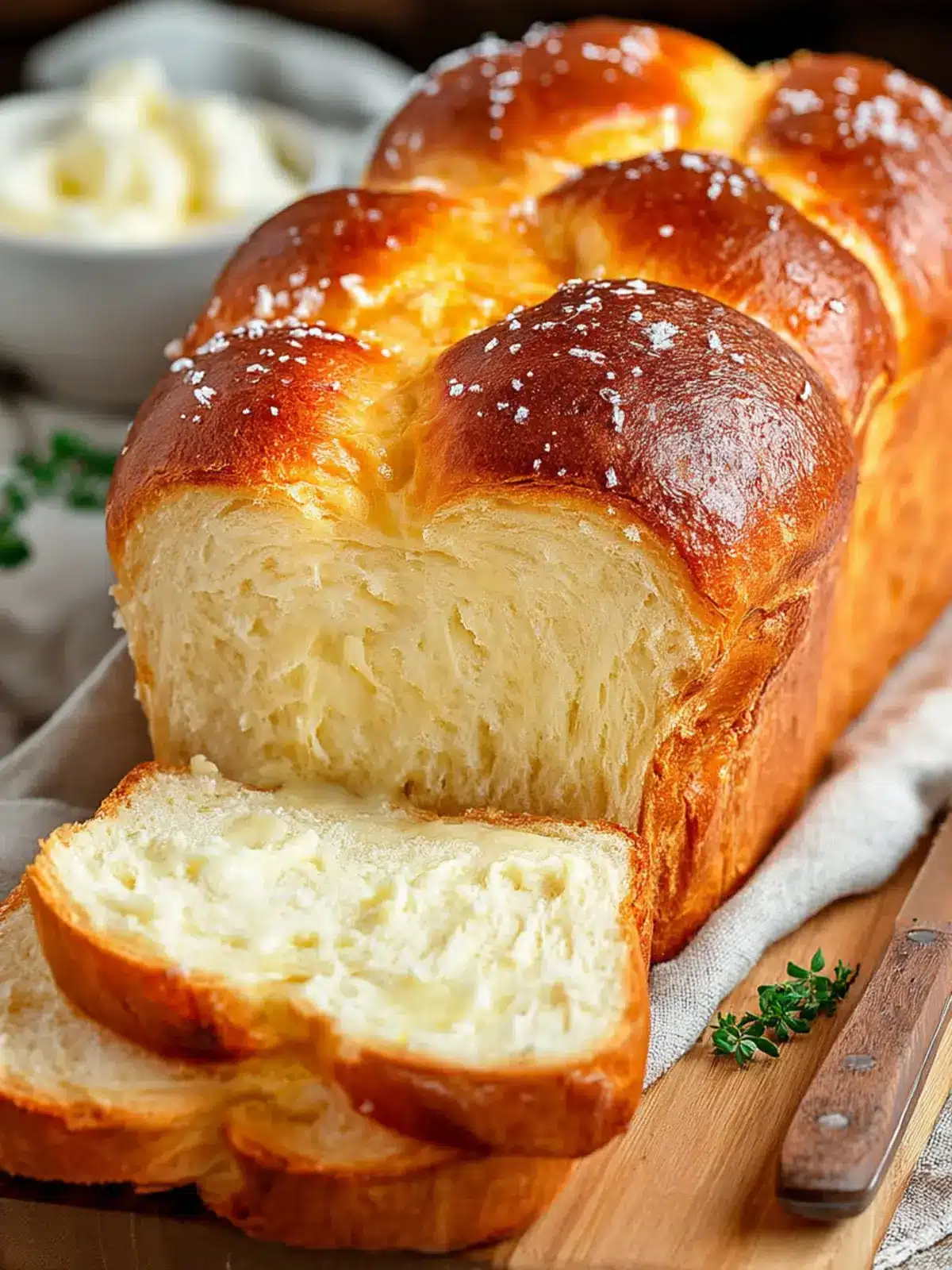
Serving Suggestions for Milk Bread Loaf
Creating a soft and buttery milk bread loaf isn’t just about the baking; it’s also about how you serve and enjoy this delightful treat. Whether for breakfast, lunch, or dinner, this versatile loaf can be transformed into culinary magic.
Classic Toppings
When it comes to toppings, the possibilities are as limitless as your imagination! Here are a few timeless favorites to elevate your milk bread experience:
- Creamy butter: A generous spread warms the bread and melts into its soft texture.
- Jam or marmalade: The tangy sweetness of your favorite fruit jam complements the bread’s flavor beautifully.
- Honey or maple syrup: Drizzle for a touch of sweetness that resonates well with breakfast.
Sandwich Ideas
Looking to create a delicious sandwich? The soft and buttery milk bread loaf is the perfect canvas. Think about:
- Classic grilled cheese: Use sharp cheddar for an irresistible, melty delight.
- Deli meats: Layer turkey, ham, or roasted veggies with your favorite condiments for a hearty lunch.
- Open-faced avocado toast: Top with sliced avocado, a sprinkle of sea salt, and a dash of lime for a fresh twist.
Pairing with Dishes
The versatility of a soft and buttery milk bread loaf shines through when paired with various dishes. Consider serving it alongside:
- Soups: A warm bowl of tomato or potato leek soup complements the bread’s buttery texture amazingly.
- Salads: Pair with a fresh garden salad, allowing each bite to contrast with crispy greens.
- Pasta: Serve alongside pasta dishes to soak up those delicious sauces and enhance your meal.
Exploring these serving suggestions can elevate your soft and buttery milk bread loaf, making it a staple in your kitchen. Enjoy the blend of flavors and textures!
Time Breakdown for Milk Bread
When crafting the soft and buttery milk bread loaf, understanding the time it takes can help you plan your baking adventure effectively. Here’s a concise breakdown to keep you on track:
Preparation Time
Set aside about 15 minutes to gather your ingredients and mix the initial dough. This includes measuring out your flour, milk, butter, and all the essentials.
Rising Time
Patience is key! Allow the dough to rise for about 1 to 1.5 hours, making sure it doubles in size. This resting period is crucial for developing that delightful softness.
Baking Time
Once your dough is ready, preheat the oven and bake your loaf for 30 minutes. The smell of fresh bread filling your kitchen will be irresistible!
Cooling Time
Let your soft and buttery milk bread loaf cool for around 20 minutes before slicing. This allows the crumb to set perfectly, ensuring a beautiful finish. Enjoy your baking!
Nutritional Facts of Soft and Buttery Milk Bread
Making a soft and buttery milk bread loaf isn’t just an enjoyable baking experience; it also brings deliciousness with every bite while offering substantial nutritional benefits. Here’s a quick glance at what makes this bread a suitable choice for your meals.
Calories
In a typical slice of soft and buttery milk bread, you can expect around 120-130 calories. This makes it a satisfying yet manageable addition to your daily calorie intake, perfect for breakfast or a snack.
Fat
Each slice contains approximately 4-5 grams of fat, primarily coming from the butter added for that rich flavor and soft texture. This healthy fat contributes to the moistness without overwhelming your diet.
Carbohydrates
With about 20-23 grams of carbohydrates per slice, this bread provides essential energy, making it ideal for pairing with proteins or enjoying on its own.
Protein
You can find around 3-4 grams of protein in each slice, which helps keep you full and supports muscle maintenance. This small amount, combined with other meals, contributes importantly to your daily protein needs.
Feel free to brainstorm ways to incorporate your soft and buttery milk bread loaf into various meals—it’s a delightful staple in any kitchen!
FAQs about Soft and Buttery Milk Bread
Baking your own soft and buttery milk bread loaf can be a delightful experience, but questions often arise along the way. Here, I’ve compiled some frequently asked questions to help you master this recipe and ensure your baking journey is smooth and fulfilling.
Can I freeze the bread?
Absolutely! This soft and buttery milk bread loaf freezes beautifully, allowing you to enjoy it later. Once completely cooled, wrap the loaf tightly in plastic wrap or aluminum foil. For added protection, place it in a freezer-safe bag. It should keep well for up to three months. Just thaw at room temperature or pop slices in the toaster for a quick warm-up!
How can I tell if my yeast is active?
To check if your yeast is active, combine it with warm water (around 110°F or 43°C) and a touch of sugar—this gives the yeast food to feast on. After about 5-10 minutes, you should see bubbles or foam on the surface. If it’s frothy, your yeast is ready and raring to go!
What should I do if my dough doesn’t rise?
If your dough doesn’t rise, there could be a few reasons. Ensure your yeast is fresh and that you’re using warm—not hot—water. If your kitchen is too cool, try placing the dough in a warmer area, like near a preheated oven. Sometimes, patience is key; give it a little more time to rise!
What’s the best way to store leftover bread?
To keep your soft and buttery milk bread loaf fresh, store it at room temperature in an airtight container or a resealable plastic bag. If you want to extend its life, slice it before freezing as mentioned before. This way, you can easily grab a slice whenever a craving strikes!
Conclusion on Soft and Buttery Milk Bread Loaf
Baking a soft and buttery milk bread loaf isn’t just about following a recipe—it’s about creating cherished moments that last long after the last slice is gone. As you pull that golden-brown loaf from the oven, the delightful aroma will fill your home, inviting everyone to gather around. Whether you enjoy it fresh with a pat of butter, transform it into a delectable sandwich, or pair it with your favorite spreads, this bread is bound to earn a place in your heart and kitchen. So roll up your sleeves and embark on this baking adventure; happiness is just a loaf away!
Print
Homemade Bread
- Total Time: 1 hour 30 minutes
- Yield: 1 loaf 1x
- Diet: Vegetarian
Description
A simple and delicious homemade bread recipe.
Ingredients
- 4 cups bread flour
- 1 cup whole milk
- 1/4 cup granulated sugar
- 2 1/4 tsp active dry yeast (1 packet)
- 2 tsp salt
- 1/4 cup unsalted butter (softened)
Instructions
- Activate the yeast by mixing warm milk with sugar and yeast in a small bowl. Let it sit for 5 minutes until foamy.
- In a large mixing bowl, whisk together the bread flour and salt.
- Combine the foamy yeast mixture and softened butter with the dry ingredients, stirring until a shaggy dough forms.
- Knead the dough on a lightly floured surface for about 10 minutes until smooth and elastic.
- Place the kneaded dough in an oiled bowl, cover it with plastic wrap, and let it rise in a warm place until doubled in size (about 1 hour).
- Punch down the dough, shape it into a loaf, place it into a greased loaf pan, cover again, and let rise for another 30 minutes.
- Preheat your oven to 350°F (175°C). Bake the loaf for about 30 minutes until golden brown. Let cool before slicing.
Notes
- Make sure the milk is warm but not hot to avoid killing the yeast.
- For best results, knead the dough until it’s smooth and elastic.
- Adjust the baking time if you’re using a different size loaf pan.
- Prep Time: 1 hour
- Cook Time: 30 minutes
- Category: Baking
- Method: Baking
- Cuisine: American
Nutrition
- Serving Size: 1 slice
- Calories: 120
- Sugar: 2g
- Sodium: 150mg
- Fat: 4g
- Saturated Fat: 2.5g
- Unsaturated Fat: 1.5g
- Trans Fat: 0g
- Carbohydrates: 20g
- Fiber: 1g
- Protein: 3g
- Cholesterol: 10mg